Urban Planning and Sustainable Architecture: Shaping Future Cities
May 7, 2026
As cities continue to expand rapidly, the need for smarter, more efficient, and environmentally responsible development has become critical. Urban spaces are no longer just about infrastructure-they are about creating ecosystems that support human well-being, economic growth, and environmental balance.This is where the role of an urban planning architect becomes essential. By combining strategic planning with innovative design, professionals are shaping cities that are not only functional but also sustainable. The integration of sustainable architecture is now at the core of modern urban development, ensuring that future cities are built to last.
The Importance of Urban Planning in Modern Cities
Urban planning is the foundation of any successful city. It involves designing land use, infrastructure, transportation systems, and public spaces in a way that ensures efficiency and accessibility.A skilled urban planning architect focuses on:
Optimizing land use and zoning
Designing efficient transportation networks
Ensuring access to public amenities
Creating balanced residential and commercial zones
Effective planning reduces congestion, improves quality of life, and supports long-term urban growth.
What is Sustainable Architecture?
Sustainable architecture refers to designing buildings and spaces that minimize environmental impact while maximizing efficiency and comfort.Key elements of sustainable architecture include:
Energy-efficient building systems
Use of eco-friendly and local materials
Water conservation techniques
Waste reduction and recycling systems
This approach ensures that development meets present needs without compromising the ability of future generations to thrive.
Integration of Urban Planning and Sustainability
Modern cities require a seamless integration of planning and sustainability. Urban design is no longer just about constructing buildings-it is about creating environments that are resilient and adaptive.An experienced urban planning architect ensures that sustainable architecture principles are applied at every level, from individual buildings to entire neighborhoods. This includes designing green spaces, reducing carbon footprints, and promoting renewable energy solutions.
Smart Cities and Technology-Driven Development
Technology is playing a key role in shaping future cities. Smart city initiatives are integrating digital infrastructure to improve efficiency and connectivity.Features of smart urban development include:
Intelligent traffic management systems
Smart energy grids
Automated waste management
Data-driven urban planning
By combining technology with sustainable architecture, cities can become more efficient, responsive, and environmentally friendly.
Green Spaces and Urban Well-Being
Green spaces are an essential component of modern urban design. Parks, gardens, and open areas improve air quality, reduce urban heat, and enhance mental well-being.A thoughtful urban planning architect ensures that green spaces are integrated into city layouts, creating a balance between built environments and nature. This not only improves aesthetics but also contributes to healthier communities.
Efficient Transportation and Connectivity
Transportation is a major factor in urban sustainability. Poorly planned transport systems lead to congestion, pollution, and inefficiency.Modern urban planning focuses on:
Public transport systems
Walkable neighborhoods
Cycling infrastructure
Reduced dependency on private vehicles
These elements, combined with sustainable architecture, help create cities that are easier to navigate and less harmful to the environment.
Climate-Responsive Design
Climate change is one of the biggest challenges facing urban development today. Buildings and cities must be designed to adapt to changing environmental conditions.Sustainable architecture incorporates climate-responsive design strategies such as:
Natural cooling and ventilation
Solar energy utilization
Flood-resistant construction
Heat-resistant materials
An experienced urban planning architect ensures that cities are resilient and prepared for future environmental challenges.
Community-Centric Development
Modern urban planning emphasizes the importance of community. Cities should be designed to foster social interaction, inclusivity, and accessibility.Mixed-use developments, public spaces, and community hubs are key features of this approach. By focusing on people-centric design, sustainable architecture contributes to creating vibrant and livable cities.
Economic and Environmental Benefits
Investing in sustainable urban development offers long-term benefits. Efficient infrastructure reduces operational costs, while eco-friendly design minimizes environmental impact.Businesses, governments, and residents all benefit from well-planned cities that support growth and sustainability. A forward-thinking urban planning architect ensures that development is both economically viable and environmentally responsible.
About Our Approach
We are a dynamic and innovative architectural and interior design firm dedicated to shaping spaces that balance function and beauty. With over 5+ years of experience, 45+ happy clients, and 45+ completed projects, we bring fresh ideas and creative solutions to modern design challenges.Our philosophy is rooted in Modern Indian Architecture, where contemporary design meets traditional influences. We believe in creating spaces that are not only innovative but also deeply connected to cultural and environmental contexts.Our specialization includes:
Architecture: Designing sustainable and future-ready structures
Construction: Delivering projects with precision and quality
As a new-generation firm, we aim to lead the way in sustainable and urban-focused design, contributing to a better and more balanced future.
Final Thoughts
Urban development is at a turning point, where sustainability and innovation must go hand in hand. The integration of urban planning and sustainable architecture is essential for creating cities that are efficient, resilient, and livable.By working with an experienced urban planning architect, you can contribute to building environments that support both present and future generations. Thoughtful planning and responsible design are the keys to shaping cities that truly stand the test of time.

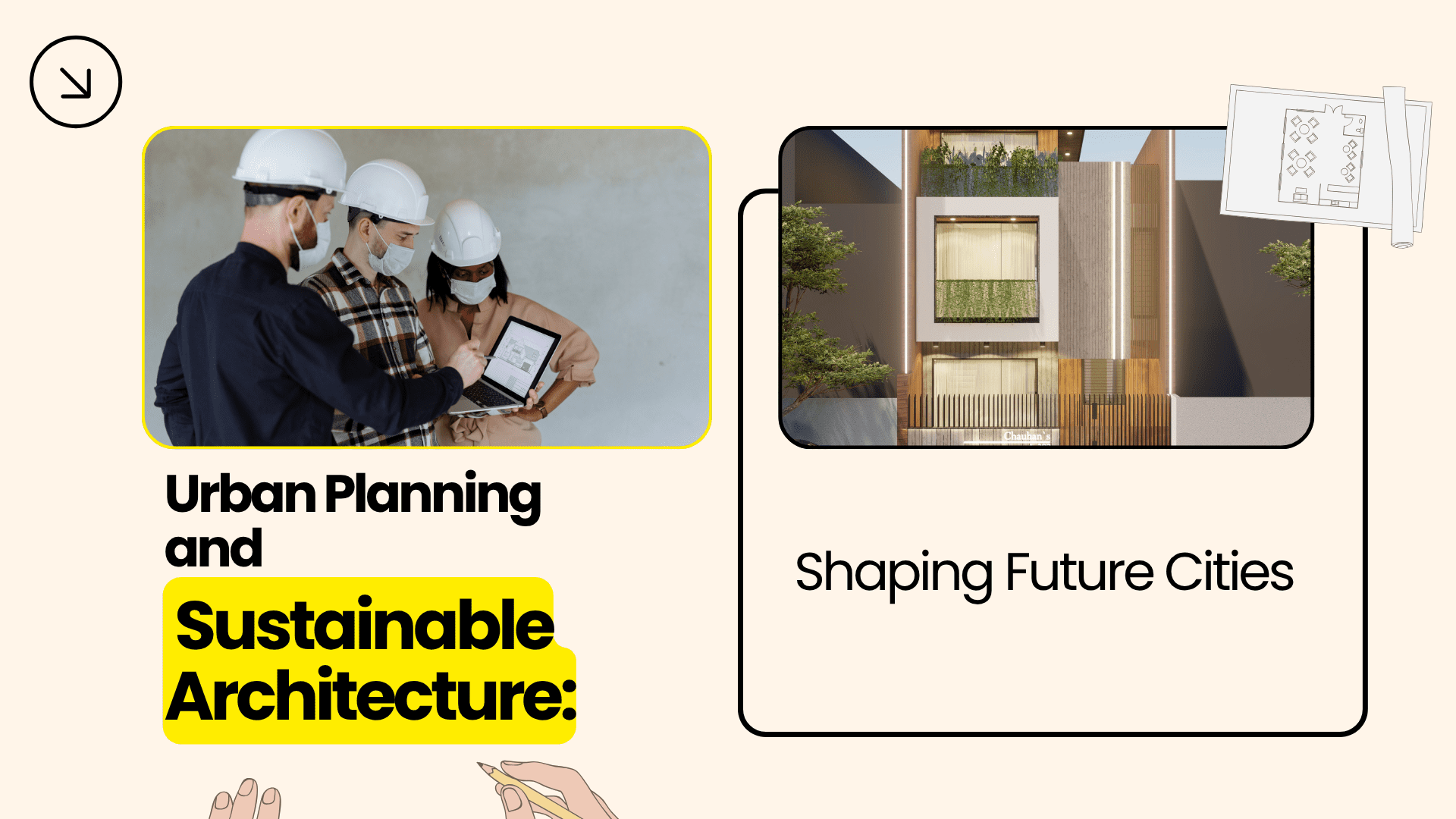 As cities continue to expand rapidly, the need for smarter, more efficient, and environmentally responsible development has become critical. Urban spaces are no longer just about infrastructure-they are about creating ecosystems that support human well-being, economic growth, and environmental balance.
This is where the role of an urban planning architect becomes essential. By combining strategic planning with innovative design, professionals are shaping cities that are not only functional but also sustainable. The integration of sustainable architecture is now at the core of modern urban development, ensuring that future cities are built to last.
As cities continue to expand rapidly, the need for smarter, more efficient, and environmentally responsible development has become critical. Urban spaces are no longer just about infrastructure-they are about creating ecosystems that support human well-being, economic growth, and environmental balance.
This is where the role of an urban planning architect becomes essential. By combining strategic planning with innovative design, professionals are shaping cities that are not only functional but also sustainable. The integration of sustainable architecture is now at the core of modern urban development, ensuring that future cities are built to last.